

Tropical Art vs Traditional Heritage Art: Key Differences
Last Updated: November 21, 2026
Quick Summary
Tropical art themes are defined by subject matter such as flowers, palms, birds and beaches, while traditional heritage art is defined by cultural lineage, meaning and techniques passed between generations. A painting can belong to one category, the other, or both. The distinction matters most when you are choosing a piece for your home.
- Tropical art focuses on natural scenery, light and color rather than ritual or history.
- Heritage art's meaning often depends on context, so it may need explanation to be understood correctly.
- Tropical Serenity, a watercolor of frangipani, costs $659.99 and suits a bright, calm room.
- Rhythms of Heritage, priced at $1,549.99, depicts Kandyan drummers and a specific regional tradition.
- Heritage pieces carry higher ethical considerations, including sacred imagery, attribution and permission.
Table of Contents
- Defining Tropical Art Themes and Traditional Heritage Art
- Side-by-Side Comparison: Themes, Materials and Techniques
- Tropical Art Themes vs Traditional Heritage Art Examples
- Sri Lankan Traditional Art Motifs and Their Meaning
- How the Two Styles Evolved Historically
- Using Motifs Ethically and Understanding Tropicality
- Choosing the Right Piece for Your Collection or Home
- Frequently Asked Questions
Defining Tropical Art Themes and Traditional Heritage Art
These two terms are often confused, and the confusion matters when you are choosing a piece for your wall. Tropical art themes are subject matter: flowers, palms, birds, beaches and lush foliage. Traditional heritage art is a broader category defined by lineage, cultural meaning and the techniques passed between generations. A painting can belong to one, the other, or both.
What Tropical Art Usually Depicts
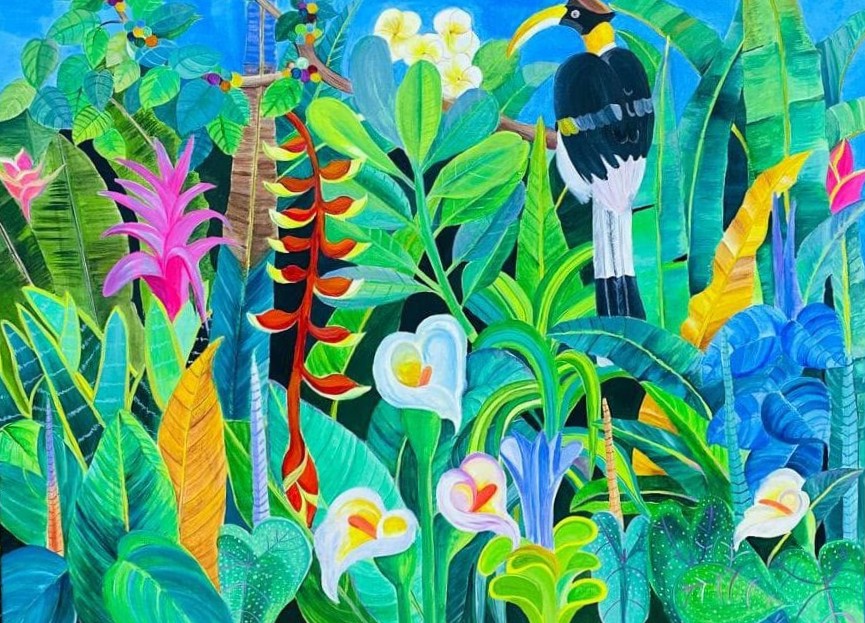
Tropical art themes are defined mostly by what the picture shows. Think of a toucan among banana leaves, a frangipani in soft watercolor, or a palm leaning over a turquoise shore. The subject is the landscape and its colors, and the work is often a celebration of natural abundance rather than a record of ritual or history.
Our own pieces show this range. Browse Toucan Among Tropical Flowers to see a tropical-themed piece you can buy. Toucan Among Tropical Flowers ($489.99) builds its composition from dense foliage and bright plumage, while Tropical Shore ($1,109.99) focuses on light, shadow and open sea. Both are tropical in theme.

What Heritage Means in Art
Heritage art carries meaning that comes from a community's history. Explore the cultural significance and heritage of Sri Lankan art in a deeper article on its weight and context. The subject may be a ceremony, a dress, a drumming procession or a symbol handed down over generations. Heritage is about who made the work and what it records, not just how it looks.
A useful test: ask whether the image would make sense to someone who knew nothing about the place it comes from. Tropical art often passes that test. Heritage art often does not, because its meaning lives in context.
Side-by-Side Comparison: Themes, Materials and Techniques
The two categories overlap more than people expect. Many tropical paintings use traditional techniques, and many heritage works use tropical imagery. The table below separates the two ideas on several dimensions, including subject, materials and provenance.
| Dimension | Tropical Art Themes | Traditional Heritage Art |
|---|---|---|
| Primary focus | Natural scenery, light and color | Cultural meaning, lineage and practice |
| Typical subjects | Flowers, birds, palms, beaches, foliage | Ceremonies, dress, instruments, symbols, rituals |
| Common materials | Acrylic on canvas, watercolor, giclée prints | Varies by tradition: natural pigments, handloom textiles, carved wood, metalwork, bark cloth |
| Making process | Often studio-based, individual authorship | Often workshop- or family-transmitted, with prescribed steps |
| Artist lineage | Signed by an individual artist | May be attributed to a workshop, family, or regional school |
| Reading the work | Usually visual and self-explanatory | Often needs context to be understood correctly |
| Provenance | Gallery or studio records | Community, family, or institutional records; oral history can matter |
| Ethical considerations | Low risk if the subject is generic nature | Higher risk: sacred imagery, attribution, permission |
| Best for | Warm, bright interiors; decorative focal points | Collectors wanting a story, a lineage, or a cultural anchor |
Materials and techniques are where the two diverge most in practice. Acrylic and watercolor are modern tools that suit tropical subjects well. Heritage work often follows older methods tied to its region, so the process itself can be part of its value. A buyer comparing two pieces at similar prices should ask whether the price reflects the medium, the maker's reputation, or the cultural specificity of the subject.
Provenance is the second practical divider. For heritage work, provenance can run through a workshop, a family, or a regional school, and oral history may carry as much weight as paperwork.
Tropical Art Themes vs Traditional Heritage Art Examples
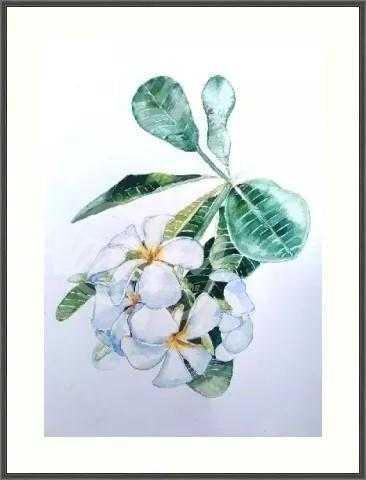
Concrete examples make the difference clearer. Take two pieces from our catalogue. Tropical Serenity ($659.99) paints frangipani blossoms in watercolor. The subject is tropical, and the appeal is calm and natural beauty.
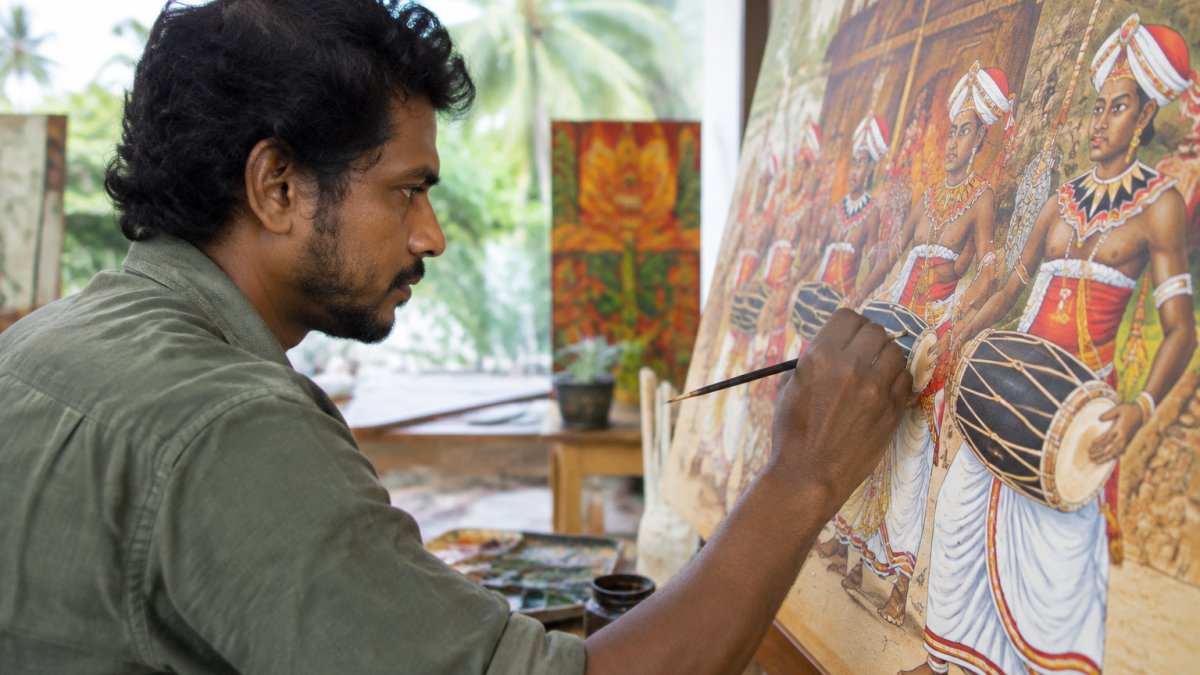
Rhythms of Heritage ($1,549.99) is a different kind of work. It captures Kandyan drummers in ceremonial dress, with elephants and symbolic attire that reflect a specific regional tradition. The tropical setting is present, but the painting's weight sits in its cultural subject. It is a heritage piece that happens to be rendered with bold color.
Neither example is better. If a heritage-rooted piece is what you want, you can browse Rhythms of Heritage and see it for yourself. A buyer who wants a bright piece for a sunroom will be happier with Tropical Serenity. A buyer who wants a work that tells a story about a place will look to Rhythms of Heritage.
Price of featured artworks
Sri Lankan Traditional Art Motifs and Their Meaning
Sri Lankan art offers a clear window into how heritage works. The Kandyan drumming tradition, shown in Rhythms of Heritage, is tied to ceremony and to the cultural pride of the Kandyan region. The drummers, the decorated elephants and the traditional attire each carry meaning for a community that recognizes them.
Motifs like these work the same way across heritage art generally. Identify Daha Ata Sanniya masks and their meaning to learn how to recognize these specific masks and what they signify. Learn how to interpret religious symbolism in South Asian art for a deeper guide to reading these motifs. A repeated symbol is not decoration alone. It signals belonging, celebration or respect. When you see a traditional motif, the useful question is what it refers to and who it speaks to.
Tropical imagery can carry symbolism too. A bird or flower may stand for abundance or renewal in some traditions. The difference is that tropical art usually uses these elements visually, while heritage art depends on knowing what they mean.
How the Two Styles Evolved Historically
Heritage art has developed through generations of ritual, craft and regional storytelling, with techniques passed down within communities over time.
Tropical art as a theme grew more visible in stages. Travel accounts and botanical illustration in the eighteenth and nineteenth centuries carried images of warm landscapes to wider audiences. Printmaking, then photography, then mass media accelerated the trend, and by the twentieth century the tropical image had become a recognizable commercial style, one often built for outside viewers rather than for the communities depicted. Many modern painters now use tropical subjects with contemporary tools, and the style has drifted far from any single place.
The two histories intersect at the colonial period. Heritage traditions were collected, catalogued and sometimes reclassified by outside institutions, while tropical imagery was packaged for tourism and export. That double movement is why the two categories are so easy to confuse today: a single object can carry a heritage lineage and a tropical marketing frame at the same time.
A useful way to read the difference is to ask what the work was made for. Heritage work was often made for a ceremony, a patron, or a community function. Tropical work was often made for a market, first a European print market, later a tourism market. Neither purpose is inferior, but the purpose shapes what the piece records and what it leaves out.
Using Motifs Ethically and Understanding Tropicality
Borrowing a cultural symbol is not automatically a problem, but it deserves care. When an artist paints a heritage motif, the respectful approach is to understand its meaning, credit its source and avoid turning sacred or ceremonial imagery into a generic pattern. A painting sold as decor should not misrepresent what a symbol means.
Tropicality is the idea of the tropics as an exotic, idealized place, often shaped by outside tourism and older colonial imagery. Tropical art themes can lean into that idealization, showing paradise without the people and history that live there. Buyers can ask whether a piece represents a place honestly or simply sells a fantasy of it.
Choosing the Right Piece for Your Collection or Home
Start with the job you want the art to do. For a bright, calm room, a tropical theme often works best. For a conversation piece tied to a specific place and tradition, a heritage work fits better. Both can sit well in the same home.
Consider scale and light too. Tropical Shore ($1,109.99) is an acrylic painting, and Tropical Serenity ($659.99) is a watercolor. Check the color palette against your room before you buy.
Finally, ask about the story. If a piece comes with a clear account of its subject and maker, you can enjoy it for years. Start with the work that speaks to you, then learn what its imagery means. Browse the full collection at AARTZY to find the piece that fits your space.
Frequently Asked Questions
What are the 7 types of traditional art?
Traditional art is usually grouped by medium and purpose rather than a fixed list of seven. Common categories include painting, sculpture, textiles, ceramics, woodcarving, metalwork and ritual or ceremonial objects. Each category carries its own techniques and materials, and in many cultures they overlap. When you compare traditional art with tropical art themes, the medium often tells you as much as the subject does, so check how a piece was made before deciding how it fits your collection.
What does heritage mean in art?
Heritage in art refers to the knowledge, motifs, techniques and stories passed from one generation to the next within a community. A heritage artwork typically draws on recognized symbols, traditional methods or ceremonial subjects, such as the drummers and elephants seen in Kandyan processions. Heritage is about continuity and cultural transmission, which is why it is different from simply depicting a place or a landscape. Look for the source of the imagery and whether the artist works within a living tradition.
What is the difference between tropical art and traditional heritage art?
Tropical art themes center on lush landscapes, flowers, birds, beaches and the vivid color of island life. Traditional heritage art centers on cultural identity, ritual, history and inherited technique. The two can overlap, since a painting of frangipani can carry cultural meaning, but tropical imagery alone does not make a work heritage art. A useful test is whether the piece reflects a specific cultural practice or only a setting. Tropical Serenity, for example, is a watercolor study of frangipani, while Rhythms of Heritage documents a ceremonial tradition.
Can tropical art also express cultural heritage?
Yes. Tropical art can express cultural heritage when its imagery is tied to specific traditions, plants with cultural significance, or community life rather than generic paradise scenes. The difference lies in context and intent. A painting of a toucan among flowers is primarily a celebration of a tropical garden, while a painting of ceremonial drummers in traditional dress expresses heritage directly. Buyers who care about cultural depth should ask what the artist is representing and why.
